Why Packing for a One Night Staycation Is Harder Than a Week Away

Quick Answer: A week away forces a system — lists, formulas, discipline — because the stakes feel real. One night nearby feels too small to plan, so it gets no system at all: everything becomes a maybe, the maybes multiply into a heavy bag, and the charger stays in the wall at home. The fix is the anchor scene method: name the one moment the staycation is actually for — the pool afternoon, the nice dinner, the slow spa morning — pack fully for that scene, add sleep and the going home outfit, and stop. Near home plus low stakes is exactly why it goes wrong, and exactly why one decision fixes it.
You are not packing for a night. You are packing for one scene, twice remembered.
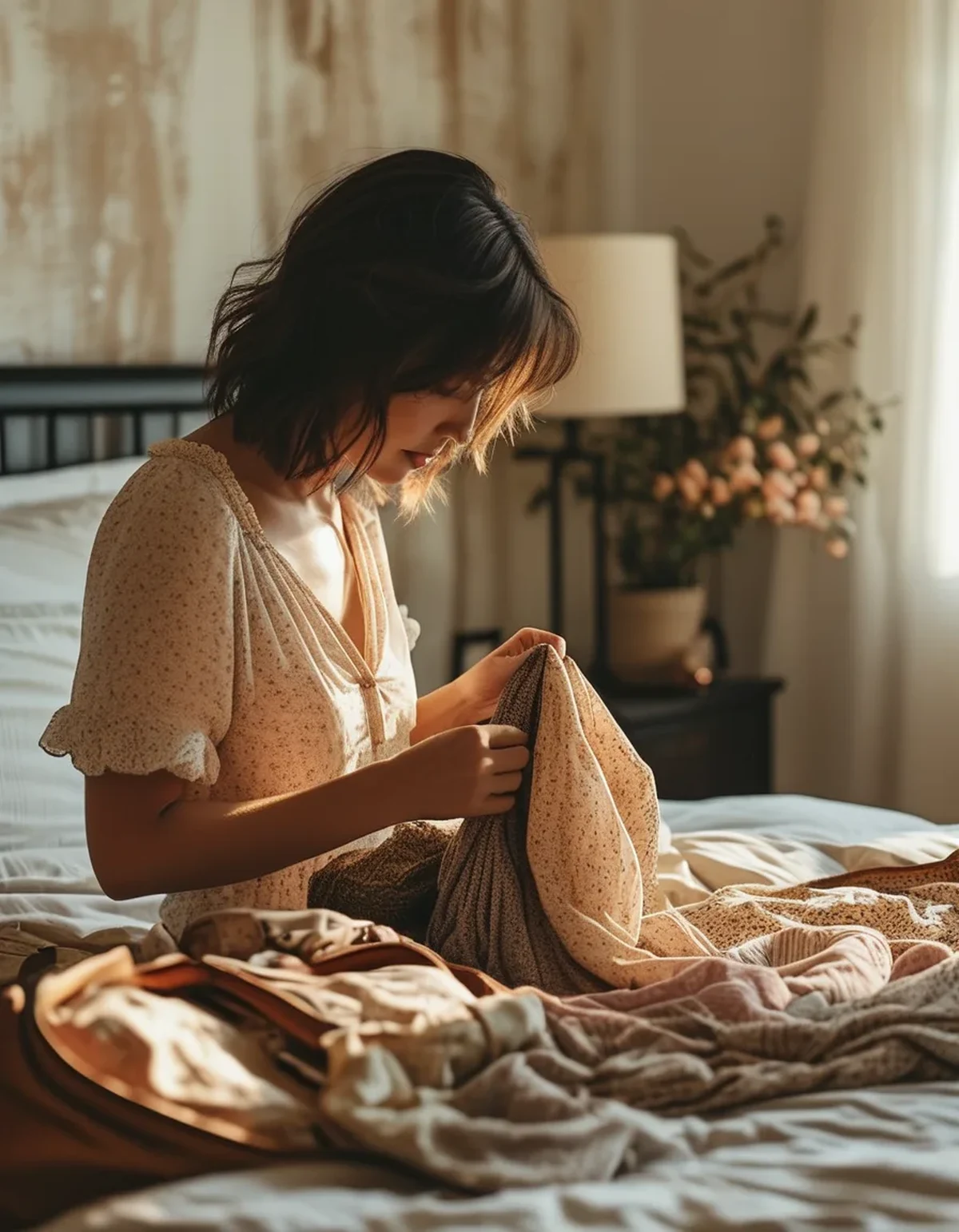
Why does the small trip break your packing brain?
Because packing quality comes from constraints, and the overnight bag has none.
A seven day trip triggers real planning: outfits counted against days, a toiletry kit that lives pre packed, the mental checklist rehearsed at the door. The constraint — being far from home for a long time — forces the system, and the system is what packs well.
The one night staycation dissolves every constraint at once. It is close, so forgetting anything feels cheap. It is short, so it seems to need no list. And it is loosely planned — we will see how we feel — so no outfit can be ruled out. With nothing ruled out, everything is a maybe, and maybes are heavy: the second pair of shoes for a dinner mood not yet chosen, three top options, the just in case swimsuit, the book and the laptop both. The result is the signature overnight bag — overpacked in clothes, underpacked in essentials — assembled in twelve distracted minutes at 4pm.
And the near home logic betrays you on the essentials specifically. The charger, the medications, the contact lens case — things woven into home routine — are exactly what casual packing forgets, because they are still in use until the moment you leave. Nobody forgets a dress they packed at noon; everyone forgets the charger they were using at 3:55.
The deeper miss is what an unplanned staycation costs the staycation. The whole premise of the night away is being deliberate about rest — and arriving with a bag of maybes means spending the first hour of it deciding things you could have decided at home, in the exact decision fatigue the trip was meant to relieve.
The anchor scene method
One decision before the closet opens: what is the single scene this night is for?
Every staycation has one — the pool afternoon that says summer is not over, the dinner at the place you never book, the spa morning, the hotel bed and room service reset. Name it out loud. That scene is the trip; everything else is connective tissue.
Then the bag packs itself in four lines:
The anchor outfit, complete. Every piece the scene needs, down to the specific shoes and the accessories, packed as a unit. Dinner anchor means the dress, the heels, the earrings, the small bag — decided now, at leisure, not at 6:40 in a hotel mirror. Pool anchor means suit, cover up, sandals, the book, sunscreen.
The travel outfit that doubles. What you wear arriving is what you wear for the casual hours, and its components mix with the anchor pieces. Buttery-soft leggings, a good tee, and a light layer over white sneakers handle check in, the walk, the coffee run — and the leggings reappear for the slow morning. One outfit, three shifts.
Sleep plus the minimum kit. Real pajamas — the hotel robe upgrades them, it does not replace them — plus charger, medications, glasses or lenses, and the two toiletries hotels never stock well: your actual skincare and anything for your hair. Everything else the bathroom counter provides.
One wildcard, maximum. A single maybe item is allowed — the swimsuit when the pool is not the anchor, the dressier top in case dinner escalates. One. The wildcard rule is what keeps the tote from refilling with moods.
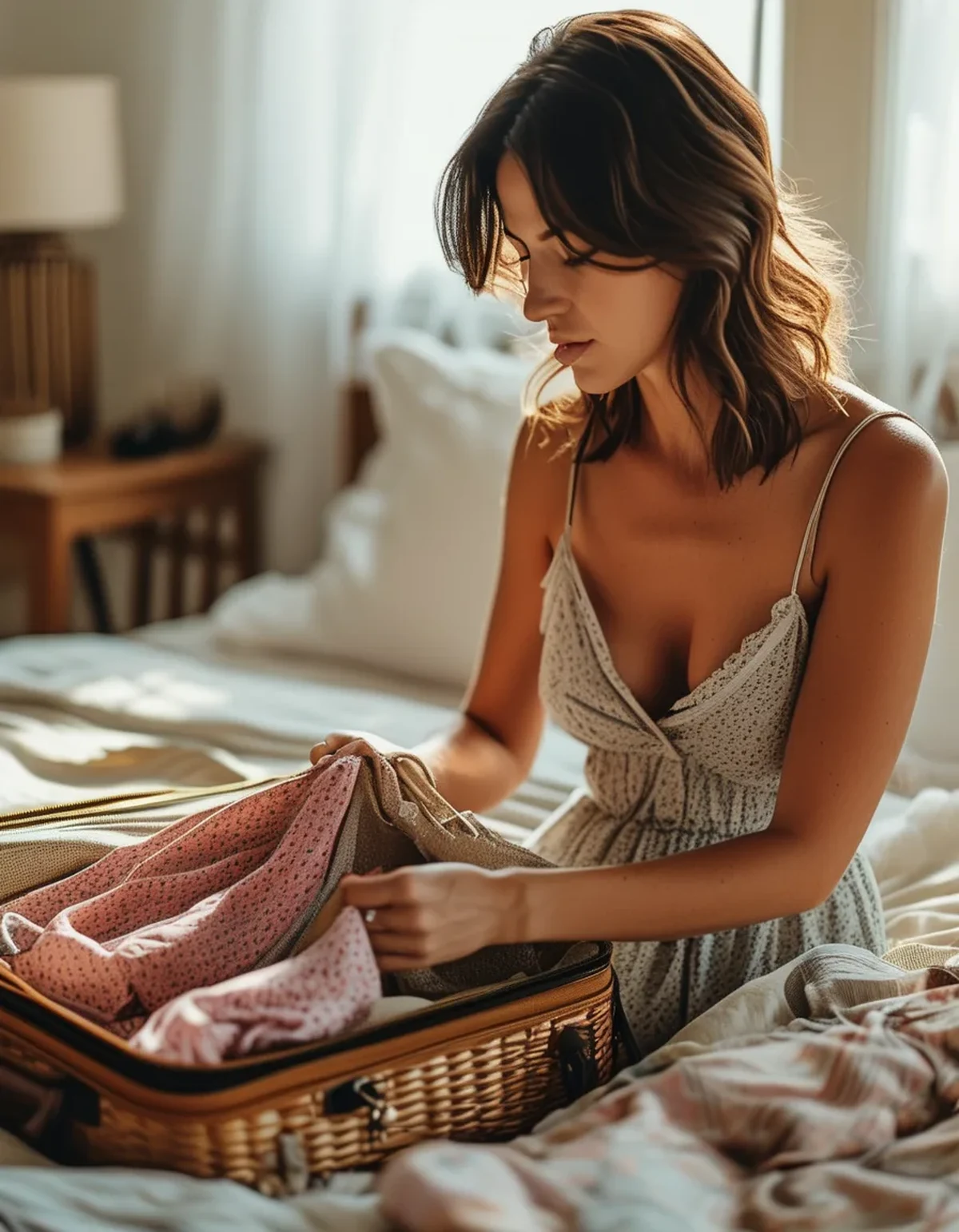
The bag this produces fits in a small weekender with room to spare, and every item in it has a scheduled appearance — which is the definition of packed well.
What Nobody Tells You About Hotel Overnights
The robe changes the math. Nearly every hotel above budget tier provides robes, which deletes loungewear from the packing list entirely — the single most overpacked category in overnight bags. Pajamas plus robe covers every in room hour.
You will not use the gym you packed for. The workout kit ritually packed for one night gets used on a small minority of stays — on a twenty hour trip, the hour in the gym competes with the entire point of the trip. Pack it only if movement is the anchor scene; otherwise the leggings you traveled in cover the morning walk, which is the workout that actually happens.
The checkout outfit is the travel outfit, worn again. One night does not generate a third outfit’s worth of circumstances. Re wearing yesterday’s arrival clothes home is not a compromise — it was the plan, and it is why the travel outfit deserved to be a good one.
Hotel pools run cold in the shoulder season. The pool that anchored August staycations gets bracing by late September unless it is heated or indoor — worth one glance at the listing before the suit earns its spot. The rooftop pool photo is a summer document.
The nice hotel bathroom is half the trip. The deep tub, the good shower, the mirror lighting — bringing the one bath product that makes it an event costs no space and upgrades the anchor scene for free.
The tote versus weekender psychology is real. An open tote invites last minute maybes at the door; a zipped small weekender declares the packing finished. Closing the bag the night before — physically zipped — is the cheapest commitment device in travel.
And the forgotten charger economy explains itself: hotels keep drawers of them at the front desk precisely because of 4pm packers. Asking costs nothing except confirming this article’s thesis.
Why late summer is the staycation sweet spot
Because the calendar, the pricing, and the weather all cooperate for about six more weeks — with a shift worth planning around.
Right now is the last stretch of the pool anchor. Late August and early September deliver warm afternoons, thinner crowds than July, and hotels holding summer amenities while families disappear back to school schedules. The sunset swim staycation has a closing date, and it is soon — if that is the scene, book it this month, and the anchor outfit is the suit, the cover up that works at the bar, and sandals that handle wet pool deck.
Labor Day weekend flips the value the other direction — city hotels empty as everyone leaves town, which makes the urban staycation the quiet deal of the season: the good dinner anchor, walkable streets, the room with the view, at rates the same hotel will not repeat until January.
Then the anchors rotate with the light. By late September the staycation brief becomes the cozy one — spa morning anchors, long dinner anchors, the hotel bed on a rainy Saturday — and the packing shifts with it: the light layer becomes a real sweater, the sandals become boots, and the pool wildcard retires until spring. Same method, new scene.
Two transitional practicalities: hotel air conditioning does not follow the calendar, so the restaurant and room both run cold in the in between weeks — the packable layer earns permanent bag status from now through fall. And evening temperature swings mean the dinner anchor outfit needs its own layer plan; the wrap that lives in the weekender solves the patio table at 8:45.
The whole point of the near home night is that it is easy. Book the scene, pack the scene, zip the bag the night before — and the easy trip finally gets to feel that way.
FAQ: Staycation Packing Questions, Answered
What size bag should a one night staycation take?
A small weekender or large tote — filled to comfortable, not capacity. If it needs wheels, the maybes won. The anchor method reliably produces a bag one person carries with one hand, which is itself part of the staycation feeling.
What are the most forgotten items to check for?
The in use essentials: phone charger, daily medications, glasses and contact supplies, and the specific skincare your face expects. A four item phone note checked at the door catches all of them — they are forgotten precisely because they are being used until departure.
How do I pack when the staycation has two anchor scenes?
Pool afternoon plus nice dinner is the classic double, and it still fits the method: two complete anchor outfits, the doubling travel outfit, sleep kit, zero wildcards. The discipline just moves — with two anchors, the maybe budget is spent.
Is it worth unpacking for one night?
The two minute version, yes: hang the anchor outfit immediately so wrinkles fall out, charger into the wall, toiletries onto the counter. The bag stays packed otherwise. Arriving and hanging the dinner dress is the entire ritual — and it is the moment the staycation officially starts.
TL;DR:
- Week trips pack well because constraints force a system; the overnight bag fails because everything stays a maybe until 4pm.
- Use the anchor scene method: name the one moment the night is for, pack that outfit completely, add a doubling travel outfit and the sleep kit, allow one wildcard.
- The robe replaces loungewear, the gym kit stays home unless it is the anchor, and the checkout outfit is the arrival outfit again.
- Late summer is pool anchor season for a few more weeks, Labor Day empties city hotels for dinner anchors, and the cozy anchors take over from October.
Book the night, name the scene, and zip the bag before bed the evening prior. The staycation starts working the moment the maybes stop coming.
See It in Motion
Seen here: High Waist Yoga Leggings with Inner Pocket — shop it on bubblelime.com
Keep Reading
This article is for general informational and styling purposes only. Fit, sizing, and product availability may vary.