Why Loungewear Still Feels Wrong Even on a Day Full of Video Calls at Home
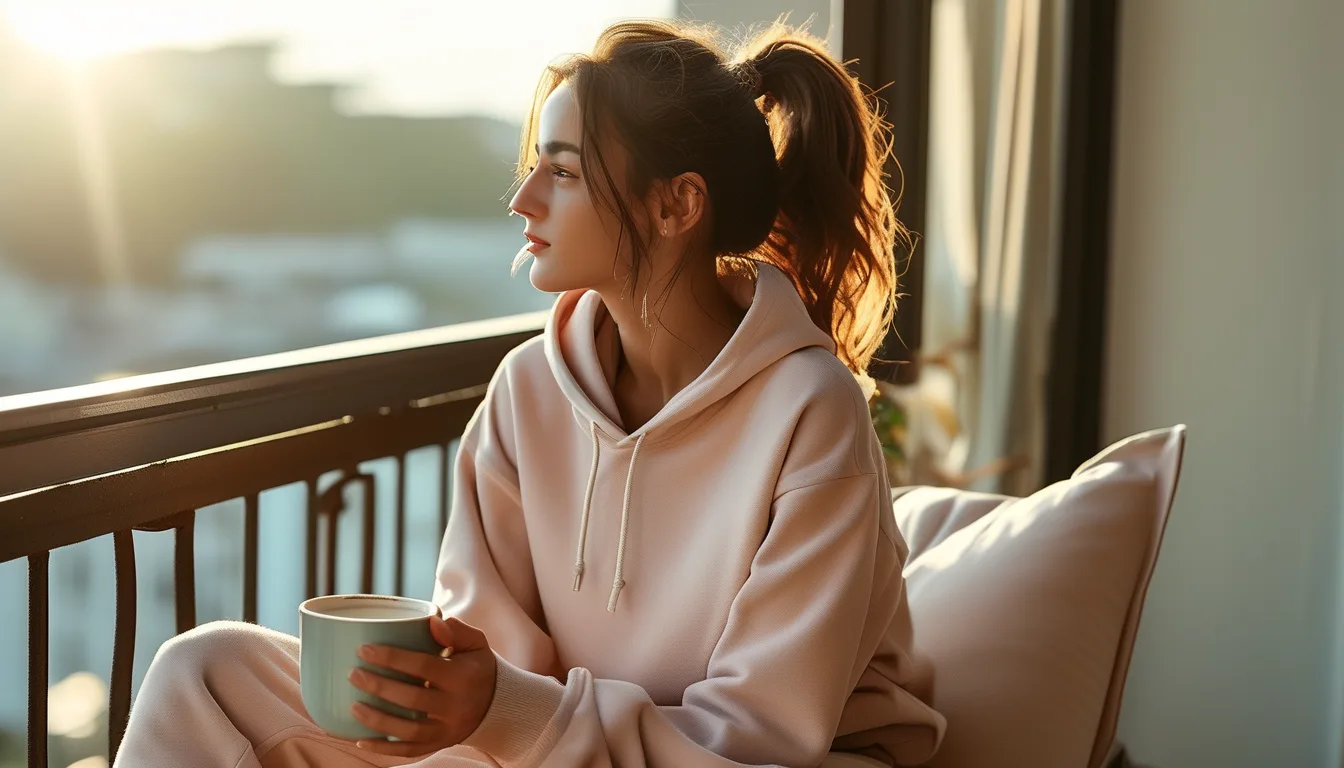
Quick Answer: Video calls create a professional-visibility context even at home, and pure loungewear (soft, shapeless, sleep-adjacent pieces) doesn’t carry the small structural and color cues — a defined neckline, a solid color, slightly more structured fabric — that read as ‘put together’ on camera, which is why you can feel comfortable but simultaneously look and feel underdressed on a call.
You reasoned that since you’re not leaving the house, full loungewear made sense. Then the first video call of the day left you feeling subtly underdressed despite being perfectly comfortable, and that gap is a real, specific mismatch, not just in your head.

Why does loungewear specifically feel wrong for video calls when it’s fine for the rest of the day?
Video calls put a small, cropped portion of your outfit (usually shoulders up) into a visible, semi-professional context, and pure loungewear pieces — soft crewnecks, sleep-adjacent tees, shapeless silhouettes — often lack the small visual cues (defined neckline, solid or structured color, slightly more tailored shoulder line) that read as intentional rather than ‘just woke up’ on camera specifically.
What’s the actual fix without sacrificing comfort for the rest of the day?
A structured top layer — a blazer, a wrap cardigan, or even a well-fitted button-up worn over comfortable bottoms — solves this without requiring a full outfit change. The visible portion on camera gets the structure and intentionality it needs, while everything below the desk stays exactly as comfortable as your original loungewear choice.
Does camera lighting and color choice matter as much as structure?
Yes, meaningfully — very light pastels can wash out under typical indoor lighting and webcam exposure, while very busy patterns can create visual noise on lower-quality video compression. Solid, medium-toned colors generally read most clearly and ‘put together’ on camera regardless of the specific structure of the garment.

What Nobody Tells You About the ‘Waist Up’ Assumption
Here’s a detail worth remembering: most video call platforms crop tighter than people assume, often cutting off right at the collarbone or upper chest during typical webcam framing — meaning the actual visible portion needing intentional styling is smaller than a full ‘blazer and top’ assumption suggests. A well-chosen neckline and collar alone, even paired with the softest sweatpants below frame, can solve most of the on-camera mismatch without any real compromise to comfort.
Myth vs Fact: Video Call Loungewear
Myth: Full loungewear always looks unprofessional on video calls. Fact: It’s specifically the neckline, color, and shoulder structure visible on camera that matters — bottoms are almost never visible at all.
Myth: You need a full outfit change to look ‘put together’ on camera. Fact: A single structured top layer over otherwise comfortable clothing usually solves the entire mismatch.
Myth: Pastel and light colors always look best on camera. Fact: Very light and very busy colors can wash out or create visual noise — solid, medium tones typically read most clearly.
FAQ: Video Call Loungewear, Answered
Do I need different outfits for morning versus afternoon calls?
Not necessarily — one well-chosen structured top layer usually works across a full day of intermittent calls without needing multiple changes.
Does jewelry or accessories make a noticeable difference on camera?
A small amount (simple earrings, a single necklace) can add polish, though it’s a much smaller factor than neckline and color choice.
Should I keep a specific ‘video call blazer’ just for this purpose?
Many people find it genuinely useful — a single dedicated structured layer kept near the desk solves the daily dressing decision quickly without full outfit planning.
TL;DR:
- Video calls create a visible, semi-professional context that pure loungewear’s soft, shapeless structure doesn’t address
- A single structured top layer over comfortable bottoms solves the mismatch without sacrificing all-day comfort
- Solid, medium-toned colors read more clearly on camera than very light or busy patterns
- Most call framing crops tighter than expected, so the neckline and shoulder area matter most, not the full outfit
Keep one structured top layer near your desk for call days — it closes the on-camera gap without asking you to give up comfort everywhere else.
Keep Reading
This article is for general informational and styling purposes only. Fit, sizing, and product availability may vary.